In 2026, the clearest change in the smartphone market is not simply a decline in unit sales, but a shift in pricing. Strong demand for memory used in AI servers and rising component costs are pushing up the average selling price of new smartphones. In price-sensitive markets, professionally inspected used and refurbished devices are therefore receiving renewed attention. For wholesale buyers, the practical question is not whether to choose new or used, but how to balance both across different price points and customer segments.
Research date September 22, 2026
The 2Q26 shipment figures below are reported results. Full-year shipments, average selling prices and secondary-market growth are forecasts. New-smartphone shipment data excludes refurbished devices.
Rising memory prices in 2026 are putting the greatest pressure on low-cost new smartphones. Wholesale buyers can protect price coverage by combining sealed devices with open-box and professionally inspected used iPhone and Samsung inventory for different customer budgets.
| -7.4%Global new-phone shipments in 2Q26 |
+27.6%2026 ASP forecast |
About -60%Sub-$100 segment in 2Q26 |
+13%Used and refurbished market forecast |
Fewer units, higher average prices
According to IDC, global shipments of new smartphones reached 276.3 million units in 2Q26, down 7.4% from 298.3 million units a year earlier. Samsung shipments increased 8.1% and Apple shipments rose 14.9%, while Xiaomi, OPPO and vivo recorded double-digit declines.
The full-year outlook shows the pricing shift more clearly. IDC expects global new-smartphone shipments to fall 16.7% in 2026, while total market value rises 6.3% and the average selling price increases 27.6% to USD 581. In other words, fewer devices may be sold, but a greater share of market value is moving toward higher-priced products.
DRAM and NAND are adding cost pressure
Korea's Ministry of Trade, Industry and Resources reported that the fixed price of 8Gb DRAM increased from USD 16.0 in April 2026 to USD 24.0 in July, a rise of 50%. The price of 128Gb NAND increased from USD 24.2 to USD 30.1 over the same period, or approximately 24.4%.
| Item | April 2026 | July 2026 | 3-month change |
|---|---|---|---|
| DRAM 8Gb | $16.0 | $24.0 | 50.0% |
| NAND 128Gb | $24.2 | $30.1 | About 24.4% |
These figures are not the actual procurement prices of mobile LPDDR or UFS components. They should be read as indicators of broader pressure in the memory market, not as a direct measure of smartphone production cost. Samsung also cited higher component costs as a factor affecting mobile profitability in its 2Q26 results.
Why entry-level Android devices face greater pressure
Component inflation does not affect every smartphone in the same way. Memory represents a larger share of the selling price in low-cost devices, where margins are already narrow. Omdia estimates that memory accounts for around 60% of the bill of materials in smartphones priced below USD 400 and more than 64% in devices priced at USD 99 or less.
Manufacturers can raise prices, adjust RAM or storage specifications, reduce the number of low-cost models, increase ODM production, or shift their sales mix upward. As affordable new devices become less competitive, buyers are more likely to compare them with inspected previous-generation flagships available at a similar budget.
Why used and refurbished devices are gaining relevance
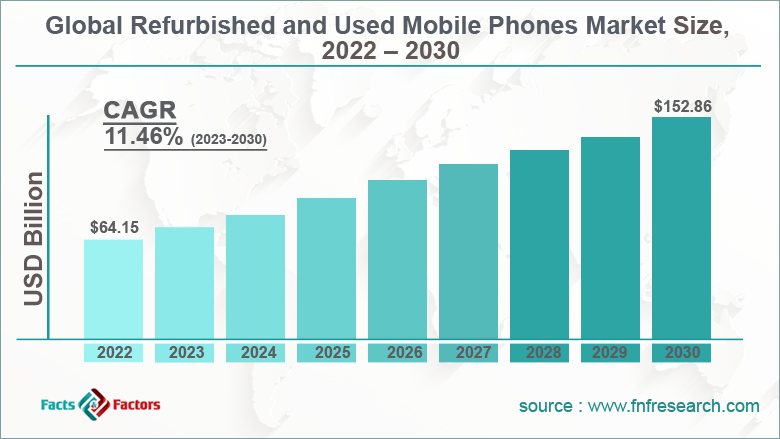
Higher new-device prices do not move every customer directly into a used phone. Some postpone replacement, lower their specification requirements or use financing. Even so, Counterpoint Research expects the used and refurbished smartphone market to grow 13% in 2026 while the new-device market contracts sharply. Omdia also identifies refurbished phones as one of the alternatives available to price-sensitive consumers.
Apple remains strong in the global refurbished market and retains high resale values, while Samsung Galaxy S devices are widely compared in the used flagship segment. When the value proposition of entry-level new phones weakens, a previous-generation iPhone or Galaxy S can offer an alternative balance of performance, brand recognition and resale potential.
This does not mean that every used-phone price will rise or that demand for a particular model has already surged. Model-level pricing continues to depend on release cycles, available stock, cosmetic grade, battery condition, repair history and local demand.
What buyers in Africa and the Middle East should watch
Africa: New-smartphone shipments fell 7% year on year in 2Q26, while shipments below USD 100 declined 34%. The average selling price increased by USD 41 to USD 202. As the supply of ultra-low-cost new devices tightens, graded and inspected Samsung and iPhone inventory may become more relevant across several retail price bands.
Middle East: New-smartphone shipments fell 19% during the same period. Devices below USD 200 declined 42%, while products above USD 300 grew 16%. The market average selling price increased 25% to USD 448. This profile supports a stronger focus on used flagships, open-box devices and higher-storage configurations rather than a low-price-only assortment.
Building a balanced inventory portfolio
Instead of concentrating the entire budget in one condition or price tier, buyers can divide inventory according to sales channel and customer profile.
| Supply type | Role in the portfolio | Points to confirm |
|---|---|---|
| Sealed New | Latest models and uniform condition | Region, warranty and activation |
| Open-Box New | Bridge between new and used pricing | Opening, activation and accessories |
| Used A / A- | Previous-generation premium demand | Battery, parts history and testing |
| Used B+ / B | Price-sensitive and practical demand | Cosmetic tolerance, LCD and repair cost |
The point is not that used phones are always better than new ones. Sealed devices serve demand for current models and consistent condition; open-box stock fills the price gap; Grade A used devices serve premium demand at a lower entry price; and Grade B inventory addresses highly price-sensitive channels.
Destination country · Target wholesale or retail price · Preferred brands and models · New, open-box or used · Acceptable grade · Required quantity · Battery and LCD requirements · Network lock and IMEI requirements
Frequently asked questions
Why are smartphone prices rising in 2026?
Demand for AI-server memory and higher DRAM and NAND prices are increasing component costs. The effect is strongest in entry-level smartphones because manufacturers have less margin available to absorb the increase.
Will rising memory prices make every used phone more expensive?
No. Used-phone prices also depend on launch cycles, available stock, cosmetic grade, battery condition, repair history and local demand. Memory pricing is one factor that can affect new-device prices and substitution demand.
Why should wholesale buyers mix new and used inventory?
Sealed, open-box, Grade A and Grade B devices serve different budgets and sales channels. A mixed portfolio reduces dependence on one price tier and gives buyers broader customer coverage.
What should buyers confirm before ordering used smartphones in bulk?
Confirm the destination country, target price, model and storage, acceptable grade, quantity, battery and LCD requirements, network-lock status and IMEI requirements. Final pricing should be confirmed in a quotation that reflects stock, quantity, exchange rates and shipping terms.
Check current wholesale pricing with KSPE
Korea Smartphone Exchange supplies sealed, open-box and professionally inspected used devices, including Samsung and Apple models. We can propose a mixed portfolio based on your destination market, target selling price, required grade and order quantity.
Approved members can use Price Desk to review current pricing and availability by storage and grade, then add the required conditions directly to an RFQ. Displayed prices may change with stock, quantity, exchange rates and shipping terms. The final supply price is confirmed in the quotation.
| View live pricing Product catalog |
2. Korea MOTIR, July 2026 ICT Exports and Imports
3. Samsung Electronics 2Q26 Results
4. Omdia, Beyond the $100 Smartphone
5. TrendForce, 2026 Smartphone Production Forecast
6. Counterpoint Research, 2026 Smartphone Market Outlook
7. Omdia, Global Smartphone Market 2Q26
8. TrendForce, Secondary and Repair Markets
9. Counterpoint Research, Global Refurbished Market
10. Omdia, Africa Smartphone Market
11. Omdia, Middle East Smartphone Market